Bromley council parking permits for Eden Park removals
Posted on 22/06/2026
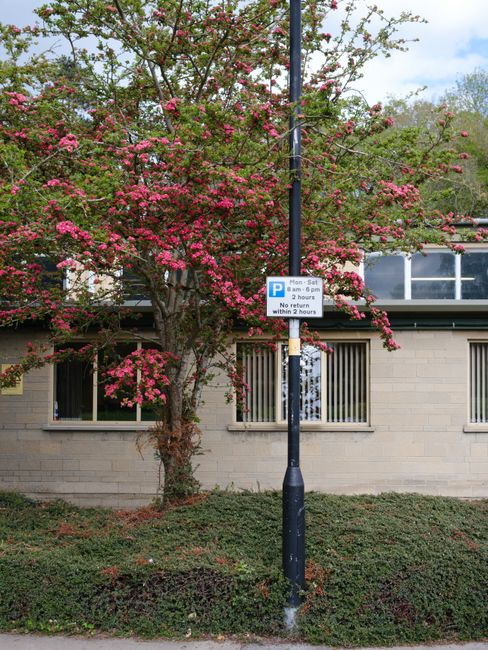
Bromley council parking permits for Eden Park removals: a practical local guide
If you're arranging a move in Eden Park, parking is rarely just a background detail. It can be the difference between a calm, well-timed removal and a morning spent circling the block, apologising to neighbours, and carrying boxes farther than you planned. Bromley council parking permits for Eden Park removals are often part of the solution when van access, loading space, or controlled parking comes into play. This guide explains what they are, why they matter, how to approach them, and how to keep your move moving without unnecessary stress.
To be fair, parking rules can feel like one more thing on an already packed checklist. But once you understand the basics, it becomes much easier to plan the day properly. You will also avoid the kind of last-minute scramble that turns a tidy move into a slightly chaotic one. Let's make it straightforward.
Why Bromley council parking permits for Eden Park removals matters
For removals, parking is not just about convenience. It affects loading time, staff safety, equipment handling, and sometimes the overall cost of the move. In Eden Park, where streets may be narrow, parking spaces may already be in demand, and some roads are controlled by local restrictions, a removal van without a proper parking plan can quickly become a problem.
A permit or temporary parking arrangement helps create a legal, predictable space close to the property. That matters because movers need the van near the door for furniture, fragile items, and repeated runs of boxes. If the vehicle has to be parked far away, the team spends more time walking than loading. And let's face it, nobody wants to carry a sofa through extra drizzle because the nearest space was two streets over.
There is also the neighbour angle. A move is temporary; blocked driveways, obstructed kerbs, or double-parking creates friction fast. A sensible parking plan helps you stay courteous, reduce disruption, and finish the day on a better note.
For people planning a larger move, parking planning goes hand in hand with other practical jobs like decluttering, packing, and preparing bulky items. If you are still at that stage, these decluttering tips for moving and packing strategy advice can save a lot of time before moving day arrives.
How Bromley council parking permits for Eden Park removals works
The exact process can vary depending on the road, the type of vehicle, and whether parking restrictions are in place at the property. In general, the idea is simple: if your removal van needs to stop, load, or wait in a controlled bay, suspended bay, or another restricted location, you may need permission or a temporary arrangement rather than just turning up and hoping for the best.
In practice, there are usually a few moving parts:
- Checking the road conditions - Is the street controlled, restricted, or permit-only?
- Finding out whether loading is allowed - Some locations allow short loading activity without a standard parking permit, but not all.
- Confirming the vehicle size - A small van and a larger Luton-style vehicle can be treated differently in terms of access and space.
- Allowing enough time - Moves rarely finish in the neat little window you imagined on paper. Honestly, they just don't.
- Making sure the arrangement is clearly communicated - Everyone involved should know where the van can stop and what to do if that space is already occupied.
For some Eden Park moves, the bigger issue is not the permit itself but the practical access around the property. A van may be allowed to stop, yet the route from van to front door might involve awkward kerbs, tight corners, or stairs. If that sounds familiar, the local notes in our Bromley Road van access guide are worth a look, as is our article on stairs and narrow halls.
One useful way to think about it: parking permissions help the van stop, but access planning helps the move actually happen smoothly. You need both.
Key benefits and practical advantages
Getting the parking side right can feel tedious before the move. On the day itself, though, the benefits are obvious. Here are the main ones.
1. Less carrying distance
The shorter the route between property and vehicle, the less fatigue, the less risk of drops, and the less time wasted. That matters for heavy items like wardrobes, beds, mattresses, appliances, and boxes that somehow get heavier when you are tired.
2. Better time control
A move usually has a chain of small jobs: loading, securing, travel, unloading, checking rooms, and clearing waste. Good parking access keeps that chain intact. When the van is close, the work flow tends to be much more efficient.
3. Lower stress on moving day
Stress comes from uncertainty as much as workload. If the parking plan is sorted early, you remove one of the most common sources of last-minute panic.
4. Better safety
Reduced carrying distances generally mean fewer awkward lifts and fewer chances of twisting while stepping around parked cars or kerbs. If you're moving heavier furniture, that's not a minor detail. It is a genuine safety consideration. For a practical read on lifting technique, our guide to efficient lifting is a solid companion piece.
5. Cleaner relationships with neighbours and building management
A move can be noisy enough without causing avoidable parking grief. A tidy plan signals respect and usually makes everyone calmer. That can be especially helpful in flats and shared buildings.
| Approach | Best for | Typical advantage | Main risk if handled badly |
|---|---|---|---|
| Permit or temporary council arrangement | Controlled streets, permit bays, restricted roads | Legal stopping place close to the property | Delay if not arranged in time |
| Driveway or private space | Houses with off-street parking | Most convenient and predictable option | Can still be blocked by other vehicles |
| Short loading only | Quick collections or lighter moves | Flexible for small jobs | Not suitable for longer load times |
| Remote parking | Last-resort situations | May avoid a permit issue | Longer carry, slower move, more fatigue |
Who this is for and when it makes sense
This topic matters to almost anyone moving in Eden Park, but it is especially relevant in a few situations.
- House movers who need a van parked close to the front door for heavy items.
- Flat movers where street parking is limited or building access is tight.
- Students with smaller moves but limited time, especially if the move is happening around station areas or busy commuter hours. If that is you, student removals in Eden Park may be a useful service page to review alongside your planning.
- Office movers who may need timed loading and clear arrival windows.
- Residents on busier roads where parking turnover is high and loading space disappears quickly.
It also makes sense for people moving larger or awkward items. A piano, mattress, sofa, or fridge is a very different proposition from a few bags and a kettle. If your move involves anything bulky, you may want to think about parking and item handling together. For example, piano removals in Eden Park and furniture removals are the kind of jobs where access planning really pays off.
There is a simple rule of thumb here: if the move will take more than a quick handover, do not leave parking to chance.
Step-by-step guidance
Below is a practical way to tackle the issue without overcomplicating it. It is not glamorous, but it works.
- Identify the exact moving address and road layout. Check whether the property faces a controlled road, a side street, or a cul-de-sac. Small details matter here.
- Work out the size and type of van needed. A man and van setup may need less space than a larger removal van, but don't assume that means parking will be easy. Sometimes the smaller vehicle is still fighting for the same scarce curb space.
- Check whether the van can legally stop for loading. A lot of confusion comes from assuming loading is always fine. It is not always that simple.
- Build in a buffer. Add time for delays, bad weather, lift issues, or parking being occupied when the crew arrives.
- Prepare for access bottlenecks. Narrow halls, shared entrances, and stairwells can slow everything down. If you suspect that will be an issue, quick fixes for move delays in Eden Park can help you think through the day more calmly.
- Keep your documents and confirmations together. Any notes, references, or arrangements should be easy to find when you need them. Searching for a screenshot while standing by the pavement is not ideal.
- Confirm the plan again the day before. This is one of those tiny habits that saves a lot of irritation.
A sensible move plan often links parking with packing order. Start with the items you need to load first, and pack the heavier or more awkward items so they can be taken straight to the van. If you want a broader move-day framework, this guide to stress-free house moving and our cleaning plan for a stress-free move are both useful companions.
Expert tips for better results
Having seen plenty of moves that went smoothly and a few that, well, did not, a few habits stand out.
- Plan parking before you plan the loading order. The van position often determines how efficiently everything else happens.
- Use the smallest practical vehicle only if it still fits the job. A smaller van can be easier to park, but if it means multiple trips, the saving may vanish.
- Protect lifting teams from unnecessary distance. Fewer steps between house and van means less strain and fewer handling mistakes.
- Tell neighbours early if space will be tight. A quick heads-up can reduce complaints and awkward surprises.
- Think about the return journey too. If the van needs a temporary bay, consider whether it can remain there while unloading at the new address, or whether the plan changes between locations.
- Have a backup loading point. One occupied space should not derail the whole move.
There is also a practical human side to all of this: moves rarely follow the script exactly. If you have a toddler underfoot, rain starting at half past eight, and a chest of drawers that only just clears the stair rail, you want the parking side already sorted so your energy can go where it is needed. It sounds obvious. On the day, it is gold.
If bulky items are part of the job, it may also help to read about safe handling for your specific furniture, such as bed and mattress moving or sofa preservation during long-term storage. Small insights like that can save a surprising amount of faff.

Common mistakes to avoid
The biggest mistakes tend to be simple, which is probably why they happen so often.
- Leaving parking until the week of the move. By then, you are already juggling enough. This is a planning job, not a day-before job.
- Assuming a loading exemption applies automatically. Sometimes it does not. Never guess.
- Not checking road width and turning space. A van might be legally allowed to stop, but still physically awkward to position.
- Ignoring the impact of neighbours' vehicles. Residential streets can be full before breakfast.
- Underestimating the time needed to move items. This is especially common with flats, awkward staircases, or long carry distances.
- Not coordinating with the removal team. If your movers are expecting one type of access and encounter another, the whole day slows down.
One more thing. People often focus only on the first property, then forget the destination. The parking problem can happen at the new address too. If your arrival point is in a busy street or near a station, the same logic applies. The return half of the move deserves the same attention. A bit boring, yes. Very useful, also yes.
Tools, resources and recommendations
You do not need a huge toolkit, but a few practical things make the parking and access side of a move easier.
- Phone notes or a shared checklist so everyone involved has the same information.
- Photos of the street and entrance to help assess parking and turning space ahead of time.
- Measuring tape for checking doorways, hallways, and larger furniture dimensions.
- Labels and room stickers so unloading is quicker once the van is in place.
- Protective wrapping and straps for safe loading when the van is parked and ready.
For a smooth end-to-end move, these local resources can also help you prepare around parking and access:
- man with a van in Eden Park
- man and van in Eden Park
- removal van options in Eden Park
- Eden Park removals
- services overview
- pricing and quotes
If you are trying to keep the move efficient and minimise waste, you may also find recycling and sustainability useful, especially when clearing unwanted items before moving day.
Law, compliance, standards, or best practice
Parking for removals sits in the real world of local road rules, building access, and moving safety. That means you should treat it as a compliance matter, not just a convenience issue. The details may differ by street and circumstance, but the principle is steady: do not assume you can stop wherever is easiest.
Good practice usually includes the following:
- Checking local parking restrictions in advance rather than on the day.
- Making sure the van does not block access for emergency services, residents, or pedestrians.
- Using safe loading methods so items are not dragged across kerbs or lifted from awkward positions.
- Following workplace health and safety principles during lifting, carrying, and loading.
- Respecting neighbours and shared buildings by keeping noise and obstruction to a minimum where possible.
From a removals perspective, that also means choosing a provider that takes safety and process seriously. You can review the kind of standards a good operator should explain clearly in insurance and safety, health and safety policy, and terms and conditions. Those pages are worth reading because parking is only one part of a compliant, well-managed move.
In short: if something about the parking plan feels uncertain, slow down and verify it. That is the safer, smarter approach.
Options, methods, or comparison table
Different moves call for different parking approaches. Here is a practical comparison to help you choose.
| Method | Pros | Cons | Best fit |
|---|---|---|---|
| Pre-arranged permit or local parking permission | Clear, lawful, close access | Needs advance planning | Most family house moves and larger flat moves |
| Private driveway or forecourt | Simple, convenient, low friction | Not always available | Homes with off-street parking |
| Short-stay loading only | Fast for lighter jobs | Can be tight for time | Smaller removals and single-room moves |
| Multiple-trip parking elsewhere | Can work when nothing else is available | Slower and more tiring | Backup plan only |
For most people, the best option is the one that reduces carrying distance without creating extra hassle. That is usually the sweet spot. Not the fanciest plan, just the one that actually works.
Case study or real-world example
Imagine a couple moving out of a first-floor flat in Eden Park on a road with limited space and regular daytime traffic. They have a sofa, a bed, two wardrobes, a washing machine, and the usual pile of boxes that seem to multiply overnight. They first assumed the van could simply stop outside for an hour. In reality, the curb was busy, and the most convenient bay was already occupied by a neighbour returning home.
After reviewing the street, they adjusted the plan. The van arrived a little earlier, a closer loading point was identified, and the heaviest pieces were taken first while the access was clear. The result was not dramatic or magical. It was just smoother. Less waiting, less back-and-forth, and much less time spent carrying boxes in the cold. By early afternoon, the move was done and the flat was empty rather than half-packed and mildly desperate.
The key lesson? Parking is not just a permit question. It is a timing question, a communication question, and a logistics question. Once you treat it that way, everything becomes easier.
For moves involving bigger furniture, it may also be sensible to review house removals in Eden Park, flat removals, or office removals depending on your move type. A good parking plan helps all of them.

Practical checklist
Use this quick checklist a few days before the move. It keeps things tidy and, more importantly, avoids the "oh no, we forgot that" moment.
- Confirm the moving date and exact address.
- Check whether the street has parking restrictions or loading limits.
- Decide which van size is needed.
- Identify the closest safe loading point.
- Check for narrow roads, corners, or low-hanging obstacles.
- Tell neighbours or building management if parking may be busy.
- Prepare any permit, parking permission, or access notes in advance.
- Build extra time into the schedule for delays.
- Label large furniture and fragile items before loading.
- Keep a backup plan in case the first parking option is taken.
- Make sure the removal team understands the plan before arrival.
If the move is urgent, a simplified plan can still work. You may find same-day removals in Eden Park useful if time is tight, though the parking conversation becomes even more important in that situation.
Key takeaway: a good parking plan is not admin fluff. It is part of the move itself.
Get a free quote today and see how much you can save.
Conclusion
Bromley council parking permits for Eden Park removals are about more than paperwork. They help protect your schedule, reduce heavy carrying, keep neighbours happier, and give the removal team a proper chance to work efficiently. Once you treat parking as part of the logistics, rather than a side issue, the whole move becomes more manageable.
For a lot of Eden Park moves, the winning formula is simple: plan early, confirm access, keep the route short, and give yourself a little breathing room. That small bit of preparation can save a surprising amount of strain on the day. And, honestly, that is often the difference between a move that feels frantic and one that feels under control.
Take the time to get the parking right. Future-you will be very grateful.


